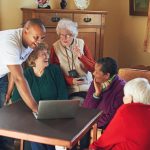
In every city, the meaning of “home” extends far beyond a roof or four walls. It’s about connection, belonging, and the freedom to live with dignity. In Vancouver, that idea has taken on new depth through home sharing and supportive housing—two models of inclusive living that help people of all abilities and backgrounds live independently while remaining connected to their communities.
At BT Family Services, also known as Better Together Family, we believe home is where inclusion begins. Our vision is simple: when people live in environments that encourage independence and friendship, they thrive—and so does the community around them.
What Home Sharing Means in Vancouver

A Community-Based Model of Living
Home sharing is a supported living arrangement where an adult, often with a developmental or physical disability, lives with a host family or companion in a shared home. It’s not just a program—it’s a relationship built on trust, compassion, and mutual respect.
Unlike institutional or group settings, home sharing is flexible and personal. Every arrangement is unique. Some people rent a suite within a family’s home, others share common areas, meals, and daily routines. The goal is always the same: to promote safety, independence, and friendship.
Many families in Vancouver have discovered that home sharing builds connections that last a lifetime. It allows individuals to experience true community life—participating in neighborhood events, enjoying shared meals, and contributing to the rhythm of the household. It’s the essence of the Better Together Family philosophy.
How Home Sharing Works in BC
Home sharing in British Columbia is primarily coordinated by Community Living BC (CLBC), a provincial agency that supports adults with developmental disabilities. CLBC works with local organizations and families to match individuals with suitable homes, ensuring that everyone involved receives ongoing guidance and monitoring.
Through this collaboration, residents gain access to personalized support—ranging from daily living skills to community participation—while hosts receive training, compensation, and resources to provide quality care. It’s a model built on shared success.
If you’re curious how home sharing applies to older adults or those seeking supported independence, you can learn more about our independent living services for seniors.
Understanding Supportive Housing in Vancouver
What Makes Supportive Housing Unique
Supportive housing is another vital part of Vancouver’s inclusive living landscape. It offers secure, affordable homes with on-site or visiting staff who help residents manage their daily needs. This can include health services, life-skills coaching, and social support.
According to BC Housing, supportive housing bridges the gap between homelessness, transitional programs, and independent living. It creates stability for people who might otherwise face barriers due to age, disability, or economic hardship.
In Vancouver, supportive housing projects are often developed in partnership with Vancouver Coastal Health, local non-profits, and municipal agencies. Together, they ensure residents receive integrated support that enhances quality of life while encouraging self-reliance.
Who Benefits and How
Supportive housing is not limited to one demographic. It serves a wide spectrum of individuals—seniors who wish to maintain independence, adults with disabilities, and those recovering from mental-health challenges. What unites them is the shared desire for a safe home and community connection.
At BT Family Services, we’ve seen firsthand how a stable environment can transform lives. Residents gain confidence, participate in community life, and rebuild their sense of identity. Our role is to foster awareness, connect families to resources, and promote inclusion throughout Metro Vancouver.
Learn more about our values and how we help make independence possible through compassion and collaboration.
The Benefits of Inclusive Housing for Families and Communities
Connection and Belonging
The heart of home sharing and supportive housing lies in connection. For individuals who may have felt isolated, a shared home becomes a bridge back to the world—a place to build friendships, learn life skills, and share in everyday joys.
Inclusive housing also strengthens communities. Neighbors begin to see ability instead of disability, and inclusion replaces misunderstanding. Organizations like Inclusion BC have long advocated for this kind of community-based living, where everyone is valued and respected.
Families, too, find support through shared experience. The partnership between host families, organizations, and residents fosters empathy and mutual growth. It’s a reminder that when we care for one another, we all benefit.
Stability and Independence
For residents, stability brings peace of mind. Having a permanent address, a support system, and consistent routines creates the foundation for independence. Whether someone is learning to cook, budget, or travel on their own, these everyday milestones contribute to a greater sense of purpose.
A shared kitchen or backyard garden isn’t just a practical space—it’s a living classroom where inclusion blossoms naturally.
The Role of Families and Organizations in Vancouver’s Inclusive Housing Movement
Collaboration That Works
The strength of Vancouver’s inclusive housing ecosystem lies in collaboration. The City of Vancouver’s housing initiatives work in tandem with BC Housing, CLBC, and local service providers to expand affordable, accessible living options.
Within this network, BT Family Services acts as a bridge—connecting families to resources, offering guidance, and helping individuals find living arrangements that meet both their emotional and practical needs. We believe housing is more than shelter; it’s the gateway to connection and empowerment.
Awareness and Education
Despite its success, many Vancouver residents still know little about home sharing or supportive housing. Education plays a crucial role in breaking down misconceptions and inspiring participation.
By sharing stories and raising awareness, organizations like BT Family and Inclusion BC help families see that inclusion isn’t charity—it’s community building.
If you’re interested in learning more about available programs or eligibility, visit BC Housing’s resource hub for current listings and opportunities.
Challenges and Opportunities Ahead

Barriers and Misconceptions
No system is without challenges. Vancouver continues to face housing shortages, limited funding, and occasional public misconceptions about shared living arrangements. Some people worry that home sharing is too demanding, or that supportive housing means loss of privacy.
The truth is the opposite: both models are designed around personal choice and dignity. With continued advocacy and awareness, these misconceptions are steadily changing.
The Path Forward for Vancouver
Vancouver’s growing commitment to inclusion has already reshaped how housing is designed and delivered. By integrating support services through partners like Vancouver Coastal Health, the city is redefining what sustainable, people-centered housing can look like.
Future opportunities lie in expanding collaboration—connecting more families, creating better training for hosts, and ensuring funding keeps pace with growing demand. It’s a collective journey toward an inclusive future where everyone has a place to call home.
Better Together – Why Inclusion Is the Foundation of Community
When you walk through a neighborhood that embraces diversity, you can feel the difference. People greet one another. Children play together. Neighbors look out for each other. This is what inclusion feels like—it’s the warmth of belonging.
At BT Family Services, we believe being Better Together is not just our name—it’s our promise. We continue to support home sharing and supportive housing initiatives that make Vancouver a more compassionate, connected city.
If you’d like to learn more about our community efforts or explore resources on independent living, visit our homepage or explore our independent living services for seniors.
Together, we can make inclusion more than an idea—it can be a way of life.
Frequently Asked Questions
Q1: What is home sharing in Vancouver?
Home sharing is a supported living arrangement where an adult lives with a host family or companion. The arrangement promotes independence, friendship, and community participation, often coordinated by Community Living BC (CLBC).
Q2: How does supportive housing differ from home sharing?
Supportive housing provides structured on-site or visiting support staff, while home sharing focuses on personal relationships and integration into family or community life.
Q3: Who provides supportive housing in Vancouver?
Supportive housing is coordinated through BC Housing, local non-profits, and health authorities such as Vancouver Coastal Health.
Q4: How can families get involved?
Families can contact CLBC or visit BT Family Services to learn how to become home share providers, volunteers, or advocates for inclusive living.